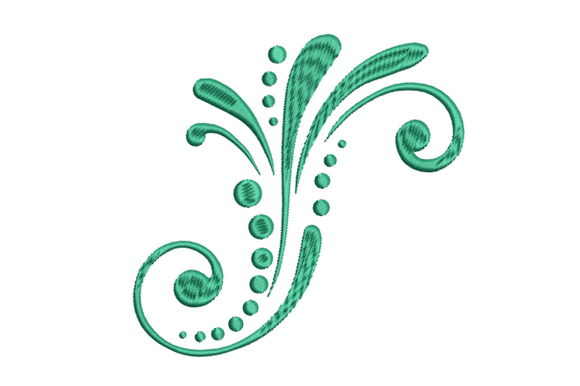
Threaded Elegance Embroidered Ornaments
First Impressions: Delicate, Festive, and Purposefully Refined
When I opened the Threaded Elegance Embroidered Ornaments design set, what struck me wasn’t just the holiday theme—but how intentionally restrained it feels. This isn’t a cluster of busy motifs or over-saturated seasonal clichés. Instead, it’s a collection of clean, balanced shapes: think stylized holly sprigs with subtle veining, minimalist snowflakes with open negative space, and softly curved ornaments that breathe on fabric. The layout leans into elegance over exuberance—ideal for apparel where subtlety signals craftsmanship, not clutter.
A Real-World Test: Stitching It onto a Linen Tea Towel for Boutique Stock
Last week, I prepped a small batch of linen tea towels for my local craft shop’s holiday pop-up. I chose one Threaded Elegance Embroidered Ornament—a pearlescent silver bell with fine satin-stitched edges—and stitched it onto the lower corner of a natural oat-colored towel. The result? Instant quiet luxury. Customers paused, tilted their heads, ran fingers over the raised thread—not because it shouted, but because it invited attention. That’s the power of this design: it elevates the finished product without overwhelming the item itself. It worked beautifully on mid-weight linen, but I’ll note exactly where it *doesn’t* shine—so you don’t waste stabilizer or client time.
Where It Shines (and Where It Asks for Extra Care)
Threaded Elegance Embroidered Ornaments excels in contexts where refinement matters more than volume:
- Custom apparel: Perfect for the chest pocket of a wool-blend sweater or the cuff of a tailored apron—small-scale impact with high perceived value.
- Baby embroidery: Its gentle curves and low-density fill stitch make it ideal for organic cotton onesies; no stiff backing needed, and the satin stitch holds up to gentle washing.
- Holiday gifts & personalized products: Stitches cleanly on felt-backed patches, making it versatile for gift tags, ornament backings, or embroidered napkin corners.
- Craft business & Etsy seller use: Looks polished in printable mockups—especially against muted backgrounds—and reads clearly even at thumbnail size on digital listings.
But here’s where judgment matters: avoid using it on ultra-thin fabrics like voile or stretchy knits without testing. The satin stitch detail can pucker if tension isn’t dialed in, and dense fill areas may show through lightweight materials. On dark fabric, confirm your thread colors have enough contrast—some metallic or heathered tones lose definition without a white underlay. And skip tight curves like cap fronts unless you’ve verified hoop size compatibility and added light cutaway stabilizer.
Design Integrity Meets Commercial Practicality
As an embroidery designer who ships client work daily, I judge ornaments not just by beauty—but by how they hold up across real-world variables. Threaded Elegance Embroidered Ornaments maintains clarity at 3–4 inches wide, which means it scales well from a baby bib to a pillow cover. The stitch density feels intentional—not so sparse it looks unfinished, not so heavy it gums up delicate fabrics. That balance directly supports customer trust: when someone buys a handmade product featuring this design, they’re buying quiet confidence, not visual noise.
It also reinforces brand consistency for small shop owners. Whether you’re branding kitchen linens, nursery decor, or holiday-themed apparel, this set doesn’t fight your aesthetic—it deepens it. No forced “festivity.” Just thoughtful, repeatable elegance.
Practical Designer Notes Before You Stitch
Before committing to production—or listing a finished item on Etsy—here’s what I always do with a new machine embroidery design like Threaded Elegance Embroidered Ornaments:
- Test on scrap fabric first, especially if using textured weaves (like burlap or terry cloth) or blends—thread behavior changes fast.
- Check thread color contrast on both light and dark backgrounds using a simple black-and-white mockup—subtle tonal shifts vanish in grayscale.
- Review stitch density in your embroidery software: look for tight clusters near stems or loops that might benefit from slight manual reduction.
- Confirm hoop size—some ornaments include delicate trailing elements that extend beyond standard 4x4 boundaries.
- Inspect small details under magnification: tiny leaves, inner loops, or fine outlines must be legible after stitching, not lost in fuzz or pull.
- Use proper stabilizer: medium tear-away for stable wovens; cutaway for knits or anything destined for frequent washing.
- Verify licensing before selling finished items commercially—some digital embroidery files restrict resale of physical goods unless upgraded.
Final Thought: A Design That Serves the Maker—and the Customer
Threaded Elegance Embroidered Ornaments isn’t flashy. It doesn’t beg for attention. But that’s precisely why it works so well in clothing, home goods, and personalized gifts—it lets the handmade product speak first, while quietly amplifying its value. For the Etsy seller bundling holiday tea towels, the boutique owner embroidering custom sweatshirts, or the craft fair vendor stitching baby blankets, this is a reliable, graceful tool—not just another embroidery file. It rewards attention to detail, respects fabric integrity, and delivers consistent results when treated with intention. That’s not just design. That’s professional reliability, stitched in.