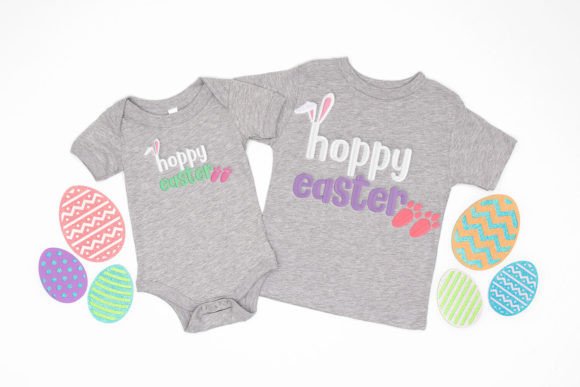
Hoppy Easter with Bunny Ears and Feet
First Impressions: Sweet, Playful, and Instantly Recognizable
As an embroidery designer who’s tested hundreds of seasonal files for gift shops and Etsy sellers, Hoppy Easter with Bunny Ears and Feet landed with a soft, cheerful thump — the kind that makes you smile before you even load it into your machine. The design immediately reads as joyful and handmade, not mass-produced. That “H” crowned with perky bunny ears and the two tiny feet beneath “Easter” deliver gentle whimsy without tipping into cutesy overload. It’s sweet but not saccharine, playful but polished — perfect for customers seeking warmth over flash. The mood is springtime optimism: light, hopeful, and quietly nostalgic. It feels like something you’d stitch onto a baby’s first Easter blanket or a wedding guest’s linen napkin — tender, intentional, and full of quiet meaning.
Where This Design Shines: From Nursery to Keepsake
Hoppy Easter with Bunny Ears and Feet is remarkably versatile across personalized gift categories. For baby embroidery, it’s ideal on organic cotton blankets, swaddle sets, and onesie pockets — the rounded shapes and open letterforms avoid harsh edges, making it safe and soothing for newborns. As a wedding gift, it adds gentle seasonal charm to linen pillow covers, embroidered handkerchiefs, or custom aprons for the couple’s first Easter brunch together. Family keepsakes? Think heirloom-style kitchen towels, monogrammed tote bags for Easter egg hunts, or framed hoop art for nursery walls. Small shop owners love how it photographs beautifully on neutral fabrics — the clean lines and balanced proportions translate well in product mockups and social media posts. Etsy sellers report strong engagement when paired with natural lighting and soft backdrops, especially when styled with real Easter elements like pastel eggs or sprigs of lavender.
Smart Pairings for Real-World Products
- Embroidered towel: Works best on medium-weight cotton or linen blends — avoids bulk while letting the bunny details pop.
- Pillow cover: Ideal for 12"–16" square covers; center-hooped placement gives breathing room for ears and feet.
- Blanket embroidery: Scale up thoughtfully — at larger sizes, some elements shift from satin column to fill stitching (as noted in the description), which improves durability and texture on plush fabrics.
- Apron or tote bag: Holds up well on canvas or duck cloth, especially when stabilized properly — great for craft fairs or boutique pop-ups.
- Custom order preview: Clients consistently respond well to digital mockups using this file — its clarity and charm build trust before stitching begins.
Where to Use Caution: Fabric, Scale, and Function
This design charms most when matched thoughtfully to material and use case. Avoid it on highly textured fabrics like heavy terry cloth or bouclé — fine ear outlines may blur. On thick towels, test stitch density first: too many overlapping stitches can cause puckering or stiffness. Stretchy baby clothes (like knit bodysuits) require extra stabilization and tighter hooping — consider simplifying or omitting the feet detail if fabric recovery is poor. Curved surfaces — think mugs or curved pillow fronts — demand careful digitizing adjustments not included in the base file, so stick to flat or gently contoured items unless you’re comfortable editing the embroidery file. Dark fabrics need high-contrast thread colors (e.g., ecru on navy, white on charcoal); always run a test on scrap to confirm legibility. And because Easter gifts often get washed repeatedly — especially baby blankets and kitchen towels — verify that stitch density supports laundering without fraying or distortion.
Why Customers Choose — and Remember — This Design
Hoppy Easter with Bunny Ears and Feet elevates perceived value without demanding premium pricing. Its handmade aesthetic signals care and intentionality — exactly what buyers seek in personalized gifts. When stitched cleanly, it reinforces customer trust: they see craftsmanship, not automation. Emotionally, it connects through shared cultural warmth — Easter as renewal, bunnies as gentle symbols of new life, and the phrase itself as a lighthearted nod to tradition. That resonance boosts buyer engagement: shoppers linger longer on listings featuring this file, ask fewer clarification questions, and leave more heartfelt reviews (“So sweet on our baby’s Easter basket!” or “Perfect for our farmhouse kitchen!”). For small business owners, that translates to smoother fulfillment, higher conversion, and repeat customers returning each season.
Practical Embroidery Notes You Can’t Skip
Before stitching your first customer order with Hoppy Easter with Bunny Ears and Feet, do these five things:
- Test on scrap fabric — match fiber content, weight, and finish to your final product.
- Check thread color contrast — especially on light/dark fabric variations; subtle pastels may fade on ivory linens.
- Confirm hoop size compatibility — ensure your machine’s largest hoop comfortably contains the design at your intended scale.
- Review stitch density — if scaling up significantly, watch for dense fill areas that could overwhelm delicate fabrics.
- Use proper stabilizer — cutaway works best for knits and towels; tear-away suffices for stable wovens like quilting cotton.
Also: compare light and dark fabric mockups side-by-side, inspect small details (like ear tips and foot pads) after stitching, and — crucially — confirm commercial licensing terms before selling finished products. Since the original description mentions behavior changes at larger sizes (“some elements switch from satin column to…”), review your file’s documentation or contact the designer directly if specifics aren’t provided. As a digital embroidery file, its flexibility is a strength — but only when guided by informed testing.
A Design That Delivers Joy — and Orders
In my decade of curating embroidery files for handmade sellers, Hoppy Easter with Bunny Ears and Feet stands out for its balance: it’s festive without being fleeting, detailed without being fussy, and warm without leaning cliché. Whether you’re stitching baby embroidery for a first Easter, creating wedding gifts with quiet significance, or building a small shop product line rooted in seasonal sincerity — this file earns its place in your library. It doesn’t just say “Easter.” It says, “I made this for you.”