Heart Corner: A Craft Fair-Ready Embroidery Design
First Impression: Quirky Charm Meets Timeless Appeal
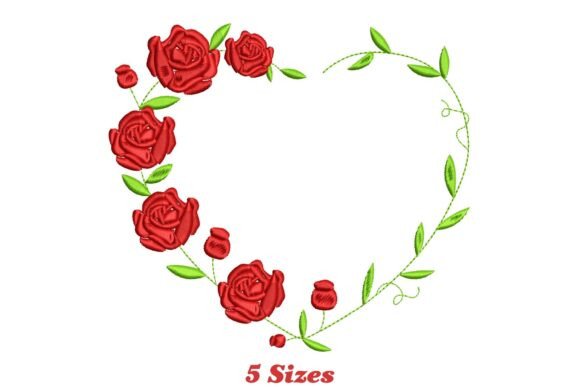
As an embroidery designer who’s prepped over 200 craft fair booths—from snowy winter markets to sun-drenched summer fairs—I opened Heart Corner expecting something sweet but simple. What I found was more strategic than sentimental: a design that lands squarely in the “fun and quirky” lane while quietly nodding to Valentine S Day without screaming romance. It doesn’t feel overly cutesy, nor does it lean into minimalism or rustic overload. Instead, Heart Corner reads as confident, approachable, and refreshingly uncluttered—a rare balance for a machine embroidery design meant to scale across multiple handmade products.
Where Heart Corner Shines on Real Craft Fair Products
In my booth setup, Heart Corner instantly elevated three categories: tote bag design, tea towel embroidery, and embroidered patch applications. On a natural canvas tote, placed subtly near the bottom corner of the front panel, it reads as intentional—not an afterthought. On linen tea towels, it adds just enough personality to stand out among rows of plain cotton or monogrammed linens. As a standalone embroidered patch (heat-applied or sewn), it becomes a low-risk impulse buy—small, giftable, and easy to pair with pins, stickers, or mini cards at checkout.
It also works beautifully on aprons—especially modern bib-style or denim versions—where placement along the pocket edge or corner creates visual rhythm. For pillow covers and fabric pouches, Heart Corner avoids overwhelming the surface; its compact shape holds clarity even at 3.5" wide, making it ideal for small shop product lines where consistency matters. And yes—it photographs exceptionally well for Etsy listings and printable mockups, especially against muted backdrops or soft natural light.
What Holds It Back (and How to Work Around It)
Heart Corner isn’t universally foolproof—and that’s okay. Its charm relies on clean line work and balanced negative space, which means dense stitch areas or tiny interior details could blur on textured towels or thick terry cloth. On dark fabric, contrast becomes critical: test thread colors early. Likewise, curved cap surfaces demand careful hooping and stabilizer selection—this isn’t a design you’d want to push onto a structured baseball cap without a test run.
I also recommend verifying hoop size before batch production. While it likely fits comfortably in a 4x4 hoop (common for most commercial embroidery machines), confirm that before loading dozens of files. If your embroidery file includes tight corners or fine interior stitching, inspect stitch density closely—overly dense fills can cause puckering on lightweight cotton or pop through on sheer fabrics.
Production Practicality: Speed, Clarity, and Consistency
One of the strongest selling points for Heart Corner is how quickly customers “get it.” At a craft fair, attention spans are short and tables are crowded. This design communicates its intent in under two seconds: playful, handmade, heartfelt—but not saccharine. That immediacy makes it ideal for booth samples: one embroidered market bag, one tea towel draped over a basket, one patch pinned to a corkboard—all reinforce the same visual language without repetition fatigue.
For digital sellers and Etsy sellers, Heart Corner supports strong brand consistency. It pairs seamlessly with neutral palettes (cream, oat, charcoal) and complements other design assets without competing. And because it functions equally well as a small accent or medium-scale focal point, you’re not locked into one size or placement—giving flexibility across your small shop product range.
Design Notes Every Embroidery Business Owner Should Follow
- Always test the design on scrap fabric—especially if using textured towels, chambray, or performance blends.
- Check thread contrast before committing to a full run. Light thread on light fabric? Add a subtle underlay or switch to matte poly for depth.
- Review spacing and alignment when placing near seams, hems, or curved edges—like apron pockets or pouch zippers.
- Confirm hoop size compatibility with your primary machine(s). Don’t assume—measure or simulate first.
- Inspect stitch density visually and physically. Run a sample, then gently stretch the fabric—if stitches pull or distort, adjust underlay or reduce fill density.
- Use the right stabilizer: cutaway for knits and stretchy fabrics, tear-away for stable wovens, and fusible + tear-away for tea towels with nap.
- Create at least one real mockup—not just a digital preview. See how it drapes, catches light, and feels in hand.
- Compare fabric colors side-by-side. A single thread shade can read warm or cool depending on ground color—test swatches before bulk ordering.
- Confirm commercial licensing before selling finished products. Since this is a digital embroidery file intended for resale, ensure your license permits commercial embroidery use.
Why Heart Corner Fits the Handmade Market Right Now
This isn’t just another Valentine S Day embroidery—it’s a versatile, mood-lifting design that transcends the holiday calendar. Buyers respond to authenticity and intentionality, and Heart Corner delivers both. It signals care without pretense, playfulness without clutter, and craftsmanship without complication. In a sea of mass-produced decor and generic quotes, it gives your handmade product quiet confidence.
For boutique makers building a cohesive line, it’s a reliable anchor. For Cricut and embroidery crafters expanding into physical goods, it’s low-friction and high-return. And for Etsy sellers juggling SEO, visuals, and customer trust, Heart Corner checks every box: searchable, shoppable, shareable, and sincerely stitched.
Final Thought: Heart Corner Is Booth-Ready—If You Treat It Like a Partner, Not a Prop
Don’t just drop Heart Corner onto your next batch of tote bags and call it done. Let it guide your color choices, inform your packaging, and shape your booth storytelling. Pair it with handwritten tags, natural fiber ribbons, or matching thread-wrapped cards—and watch how it transforms from a machine embroidery design into a memorable handmade product. That’s where real craft fair magic happens.