Fall Flowers Embroidery Design Review
First Impression: Elegant, Vibrant, and Instantly Autumnal
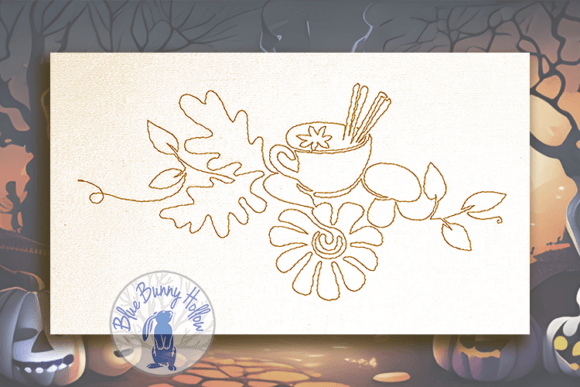
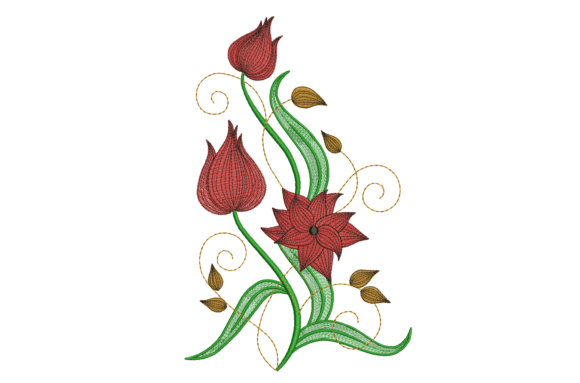
“Fall Flowers” lands with quiet confidence—not loud or kitschy, but deeply intentional. It reads as elegant and vibrant at once: the kind of embroidery design that whispers sophistication while still radiating warmth and seasonal joy. There’s no cartoonish pumpkin or cliché leaf border—just graceful blooms rooted in autumn’s palette: burnt sienna, mustard gold, deep plum, and soft sage. This isn’t farmhouse rustic or minimalist modern—it’s decorative with purpose, premium without pretense. For craft fair shoppers scanning a booth in under three seconds, Fall Flowers stands out because it feels curated, not mass-produced.
Where Fall Flowers Shines on Craft Fair Products
This design excels where handmade charm meets functional beauty. On a natural canvas tote bag, Fall Flowers anchors the front panel with organic balance—neither overwhelming nor lost. As an apron embroidery centered just below the pocket, it adds heirloom-level detail that customers pause to admire. For tea towel embroidery, its graceful scale fills the top third beautifully, especially when stitched on linen-cotton blends where stitch definition stays crisp against subtle fabric texture.
As an embroidered patch, Fall Flowers holds up remarkably well—even at 3.5" wide—because its shapes are clean and its negative space intentional. On small fabric pouches or pillow covers, it reads clearly without crowding. And on caps? Use caution: the curves demand careful digitizing, but if the original embroidery file includes gentle contour adaptation, it can translate elegantly onto structured cotton twill.
What Makes Fall Flowers Sell at Market Booths
At a craft fair, attention is currency—and Fall Flowers earns it through visual rhythm and emotional resonance. It’s instantly recognizable as *autumn*, yet avoids seasonal fatigue by focusing on botanical grace rather than holiday tropes. Customers don’t just see “fall”—they see *beauty they want to live with*. That translates directly into higher perceived value for your finished product.
It strengthens booth display cohesion too: imagine a trio of items—tea towel, apron, and market bag—all featuring Fall Flowers in coordinated thread colors. That repetition builds brand consistency without monotony, especially when paired with natural fiber textures and warm-toned packaging.
Online Performance: Etsy, Mockups, and Digital Appeal
Fall Flowers photographs exceptionally well for Etsy listings and social previews. Its layered petal forms catch light subtly, and the contrast between stem lines and bloom fills creates dimension even in flat shots. Pair it with a printable mockup showing the design on oatmeal linen or unbleached cotton, and you’ve got scroll-stopping authenticity.
For digital sellers offering the embroidery file itself, Fall Flowers positions well in search: “autumn embroidery design,” “fall floral machine embroidery,” “elegant seasonal embroidery file.” Its title is clear, category-aligned, and avoids overused modifiers like “cute” or “vintage”—making it easier for serious crafters and small shop owners to find and trust.
Production Practicality: Batch-Friendly with Smart Prep
This is not a “stitch-and-ship” design—but it’s highly repeatable *with preparation*. Its composition balances detail with breathing room, so it scales cleanly from 3" patches to 7" focal pieces. That versatility makes it ideal for batch production across multiple product types (tote bags, pillow covers, aprons) without redesigning layouts each time.
That said, it demands attention before cutting thread. Here’s what I check every time:
- Test on scrap fabric first—especially with textured towels or thick denim, where dense stitch areas may pucker;
- Verify thread contrast—a dark plum bloom on charcoal linen needs brighter stem stitching to avoid visual flattening;
- Review spacing and stitch density—tight petal clusters can compress on curved surfaces like caps or pouch gussets;
- Confirm hoop size compatibility—if your standard hoop is 4"x4", ensure the design fits comfortably within that boundary;
- Use the right stabilizer—lightweight cutaway for knits, tear-away for stable wovens, and fusible + tear-away combo for textured tea towels;
- Create at least one real mockup—not just a digital preview—to assess how thread sheen, fabric drape, and color harmony interact in person;
- Compare fabric colors side-by-side—a warm ivory vs. cool white base changes how gold threads read dramatically;
- Confirm commercial licensing—before selling finished products or bundling the embroidery file, verify usage rights included with the digital embroidery file.
Careful-Use Notes for Embroidery Designers & Sellers
While Fall Flowers avoids tiny lettering or micro-details, it does include delicate stem work and layered petal edges. These elements may lose clarity under 2.75" width—so skip using it as a tiny accent on keychains or narrow belt loops. On dark fabric, test metallic or high-contrast thread options early; some golds dull on black, while cream tones pop unexpectedly on navy.
Thick fabrics like canvas market bags require slower stitching speeds and possibly reduced density in tight zones. And always inspect the original embroidery file for nested fill areas—if stitch density climbs above recommended thresholds for your machine, consider simplifying or splitting layers.
Final Thoughts: A Thoughtful Anchor for Your Autumn Line
Fall Flowers isn’t just another seasonal embroidery file—it’s a strategic asset. It elevates handmade quality, invites buyer engagement through tactile elegance, and supports cohesive storytelling across your product range. Whether you’re an Etsy seller launching a fall collection, a boutique maker refreshing booth samples, or a Cricut + embroidery hybrid crafter building signature designs, this machine embroidery design delivers both aesthetic integrity and commercial practicality.
Just remember: its strength lies in intentionality. Let Fall Flowers breathe on your products. Choose fabric and thread with care. Test, compare, and refine—then watch how often customers point, pause, and ask, “Where did you get that design?” That’s the moment your craft fair booth stops being a table—and becomes a destination.